
Dynamic QR Codes vs Static QR Codes - What's the Difference?
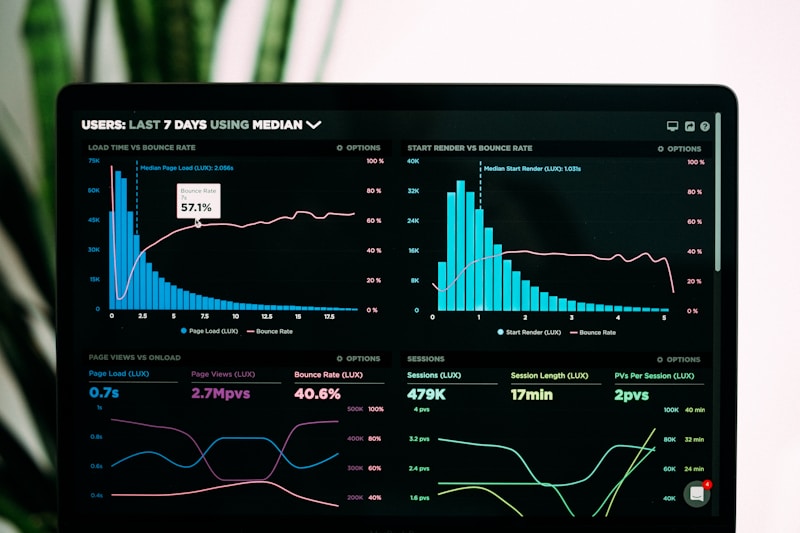
Learn the difference between dynamic and static QR codes. Discover which type is better for your business, tracking needs, and marketing campaigns.
Dynamic QR Codes vs Static QR Codes: The Complete Guide

If you've ever created a QR code, you might have wondered: should I use a dynamic QR code or a static QR code? Understanding the difference between these two types is crucial for maximizing the effectiveness of your QR code strategy.
In this comprehensive guide, we'll explain everything you need to know about dynamic and static QR codes, their advantages, disadvantages, and how to choose the right one for your needs.
What Is a Static QR Code?
A static QR code contains fixed data that cannot be changed once generated. The information is encoded directly into the pattern itself, meaning whatever URL or text you enter will be permanently embedded in the code.
Characteristics of Static QR Codes:
- Permanent data: Once created, the content cannot be modified
- Unlimited scans: No restrictions on how many times the code can be scanned
- No tracking: Cannot track scan statistics or user data
- Free to create: Most generators offer static codes for free
- Smaller data capacity: Best for short URLs or simple text
When to Use Static QR Codes:
- Permanent signage and product packaging
- Business cards with contact information
- Personal use or one-time campaigns
- When budget is a concern
- When tracking is not required
What Is a Dynamic QR Code?
A dynamic QR code uses a short URL that redirects to your final destination. While the QR code pattern stays the same, you can change where it redirects anytime without creating a new code.
Characteristics of Dynamic QR Codes:
- Editable content: Change the destination URL anytime
- Scan tracking: Monitor scan counts, locations, and device types
- Analytics dashboard: Gain insights into user behavior
- Higher data capacity: Can store more complex information
- Customization options: More design flexibility
When to Use Dynamic QR Codes:
- Marketing campaigns with changing content
- Product launches and event promotions
- A/B testing different landing pages
- When you need to track campaign performance
- Long-term campaigns that may need updates
Key Differences at a Glance
| Feature | Static QR Code | Dynamic QR Code |
|---|---|---|
| Editable | No | Yes |
| Scan Tracking | No | Yes |
| Cost | Free | Usually paid |
| Best For | Permanent use | Marketing campaigns |
| Data Capacity | Limited | Larger |
| Lifespan | Unlimited | Depends on plan |
Advantages of Dynamic QR Codes
1. Flexibility
The biggest advantage of dynamic QR codes is flexibility. You can update the destination URL without printing new codes. This is perfect for:
- Seasonal promotions
- A/B testing marketing messages
- Fixing broken links
- Updating campaign content
2. Tracking and Analytics
Dynamic QR codes provide valuable insights:
- Total scans: Know how many people scanned your code
- Unique scans: Track individual users
- Geographic data: See where scans are happening
- Device information: Understand what devices people use
- Time-based analytics: When are people scanning?
3. Professional Appearance
Dynamic codes often look more professional because:
- Shorter URLs look cleaner
- Custom branded URLs possible
- More design options available
- No long, ugly URLs in the code
4. Security
Dynamic QR codes offer better security features:
- Password protection options
- Expire dates for time-sensitive campaigns
- Geographic restrictions
- Device targeting
Advantages of Static QR Codes
1. Cost-Effective
Static QR codes are typically free to generate and use. If you don't need tracking or editing capabilities, they're the most economical choice.
2. Simplicity
No account or subscription required. Generate and use immediately.
3. Permanency
Perfect for long-term, unchanging information like:
- Contact information (vCard)
- WiFi network credentials
- Permanent product information
4. No Dependencies
Static codes don't rely on third-party services. The data is self-contained.
Common Use Cases
Static QR Code Use Cases:
WiFi Network Sharing
WIFI:T:WPA;S:MyNetwork;P:password;;
Contact Information (vCard)
- Business cards
- Event badges
- Resume links
Product Authentication
- Warranty cards
- Certificate verification
- Authenticity checks
Dynamic QR Code Use Cases:
Marketing Campaigns
- Print advertisements
- Billboard advertising
- Product packaging
Restaurant Menus
- Seasonal menu updates
- Special offers
- Event-specific pages
Event Management
- Conference materials
- Ticket verification
- Feedback collection
How to Choose the Right Type
Ask yourself these questions:
Do you need to change the content later?
- Yes → Dynamic
- No → Static
Do you need to track scan data?
- Yes → Dynamic
- No → Static
Is this for a long-term, permanent use?
- Yes → Static
- No → Either works
What's your budget?
- Free → Static
- Paid → Dynamic (for advanced features)
Best Practices
For Static QR Codes:
- Use sufficient error correction (Level H recommended)
- Test before printing - scan with multiple devices
- Keep data short for better scannability
- Ensure high contrast between code and background
For Dynamic QR Codes:
- Choose a reliable provider with uptime guarantees
- Set up redirect URLs properly
- Monitor analytics regularly
- Plan for the future - consider subscription costs
Conclusion
Both dynamic and static QR codes have their place in digital marketing and operations. The right choice depends on your specific needs:
- Choose Static QR Codes for permanent, unchanging information where cost is a factor
- Choose Dynamic QR Codes for marketing campaigns, tracking needs, and flexibility
Many businesses use both types strategically - static codes for permanent applications and dynamic codes for campaign tracking.
Ready to create your QR code? Try our free QR code generator today!
Published on March 1, 2026
Quick Generator
Create a static QR code instantly. Enter your URL below and generate your QR code in seconds.